
A Solid Continuity Plan
A great characteristic of successful business owners is that they are optimistic people. They have a “can do” attitude, setting their goals high, taking risks, hiring the right people, constantly striving to improve the delivery of their service or product, with a constant drive to build their entity into one of great significance.
As a result, the experience of building a successful company may give the owner great pride of their achievements, and often a strong identity of who they are, and that’s normal human behavior. But because of that, the thought of an event that causes the owner to Suddenly leave the business due to death or a disability, is often never planned for and is overlooked. If such an event were to occur, it would not only jeopardize the value or even the survival of the business itself, especially if the business is heavily reliant on the owner or a key partner, but it also jeopardizes the future career paths of key employees and others, and leave customers scrambling to find somewhere else to go.
Often in the minds of the owner or even their advisors, is the notion of simply making sure that the owner’s family is taken care of in the event of the owner’s death or disability, which is certainly needed. But business continuity planning goes much further than that. A solid business continuity plan is the planning that includes agreements, procedures, employee incentives, and safe guards, that are stipulated in writing or put into place to help enable the business entity and all of its successors, key employees, venders, operations, procedures and customers, continue on a successful path, with as little interruption as possible, in the event that the owner/s are no longer present.
For instance, who will fill the slot of Chief Executive or Chief Operating Officer? Does the remaining management have a plan and have the financial resources suddenly available if the immediate staff needs to search and bring in somebody from the outside to fill that position? Should they begin, now, to groom key employees for that role? How will the key vendors and creditors and customers be handled? What additional training of other employees and departments will need to take place? What will you tell the customers and the community to maintain confidence in the company in the event of an owner death or disability? What plan will you put in place to entice the key employees to stay around in order to ensure the internal integrity of the operations?
The reality within the marketplace is, if the business is left paralyzed and vulnerable, they risk losing key customers, creditors, and key employees may be quickly recruited by competitors.
Building a solid continuity plan makes complete sense from all of these angles. Plus, the good news is that it is a required step within the exit planning process, for the most part, and helps to build the value and marketability of the organization.
There are a number of areas that a solid continuity plan addresses, including the creation of a Buy-Sell Agreement, or amending or replacing one; the disposition of ownership interest, which is done through estate planning documents; insurance to fund the Buy-Sell Agreement; a management continuity reward program; retaining key employees after death or disability; a stay bonus plan; a process for terminating personal guarantees for business obligations, business continuity instructions; and a “Buy-Back” agreement for minority owners. There are other potential areas to address, but for sake of discussion, these are the likely critical areas.
Key Documentation
Buy-Sell Agreement – This document is created to summarize the terms of the written agreement that will govern the ownership transfer and ownership rights aspects of the ownership interest of the primary owner/s and other members of the controlling interest group. This document also covers a variety of issues related to the rights and responsibilities of the owners who are parties to the agreement.
Disposition of Ownership Interest Through Estate Planning Documents – This summarizes the intentions and issues that are most important to the owner in the event that the owner dies while holding the ownership interest in the company. This is carried over into the continuity plan and are created within the personal estate planning documents.
Insurance to Fund A Buy-Sell Agreement – The purpose of this exercise is to recommend and select the appropriate type of life insurance and disability insurance related to the purchase and sale of the owner’s interest in the company. Proceeds from the policies are used to purchase the owners interest.
Management Continuity Reward Program – This is to address the benefits that the owner intends to provide to the individuals who take over the management responsibilities in the event that the owner should die or become disabled, and is unable to perform the regular responsibilities.
Retaining Key Employees After Death or Disability – This is the section of the plan that addresses the steps to be taken in the event of the owner’s death or permanent disability in order to retain key employees. This is not intended to include incentive and reward planning for key employees, which is more properly addressed in a separate component of the owner’s overall planning. Instead, attention is given to the particular issues that are relevant to the key employee retention when a majority or controlling owner is unexpectedly absent from the company. This is intended to alleviate the anxiety of the successor management staff, and help allow them to concentrate their attention on the continued success of the company.
Stay Bonus Plan – Develop a written agreement that would become effective upon the owner’s death or disability. The Stay Bonus Plan acknowledges the criticalness of the employees remaining with the company after the owner’s death, disability, or for that matter, the owner’s exit from the business. The plan provides confidence and support to specific employees who choose to remain with the company and provides substantial financial reward for them doing so.
Terminating Personal Guarantees for Business Obligations – This is a stipulation of steps to be taken in order to protect the company in the event that the owner’s personal financial resources are no longer available to support the financial activities of the business. In the event of death or disability, the relationships of the company may require that the business demonstrate financial stability in order to continue their relationship.
Business Continuity Instructions – Written instructions that are completed, signed, and stored with the owner’s other important personal documents related to the owner’s death or disability.
Buy-Back Agreement for Minority Owners – The purpose of developing this agreement is to state the situations in which an employee owner’s interest will be purchased by you or the company in specific situations that may arise. It also governs the employee’s ownership interest while he or she is an owner, and addresses certain rights and responsibilities that are associated with the owner’s status and other terms related to ownership.
Work Flow Diagram

Over the years my staff and I have developed a work flow diagram to help the owner understand how we can approach the development of a Business Continuity Plan. Although, every situation is different, it gives you a general idea of how it may come together
But, the bottom line is, a solid Continuity Plan is critical for you, as a business owner, to develop and maintain, in order to help ensure that your business, which you and your staff have worked so hard to build, maintains its integrity and success in the event that something should happen to you.
Steven Zeller is a Certified Business Exit Planner, Certified Financial Planner, Accredited Investment Fiduciary, and Co-Founder and President of Zeller Kern Wealth Advisors. He advises business owners with developing exit plans, increasing business value, employee rention, executive bonus plans, etc. He can be reached at szeller@zellerkern.com.
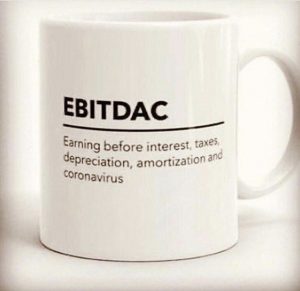 A bleak joke, but one that is on the minds of many business owners, especially Baby Boomers in their late 50s and 60s. Many were postponing their exit planning because business has been so good. As one client told me, “In March we had the best year in the history of my company. It looks like April might be the worst.”
 It may be dramatic and immediate, or it may be only obvious afterwards when your performance is matched against that of your peers.

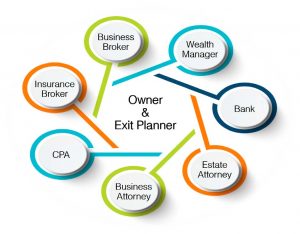 The exit planner may not be as skilled in any specific discipline as the others on the team. He may know something about tax planning, or legal structuring or insurance. She probably knows a bit about valuation and even more about contracts.



Love your thought leadership!!
Good article, John!
Thanks Julie and Jim!
Great article!
Good Stuff John
Great article John. Glad to see that you discuss “Planning for Your Comeback”, as I think that many businesses will need to “grow” their way out of this situation. There are enough doom and gloom articles out there, we need to provide these business owners some hope and optimism.
Thank you John ,Great Article, I am so glad you send out these newsletters as i am in the transition cycle right now and having a succession plan is the most important to all business owners. Im so glad that i was part of TAB for over 8 years and learned about balancing work & play and building teams that can run the company with out me. Stay Safe out there
Thanks Craig,
Great to hear from you. I love watching your transition process in the paper. Good for you!